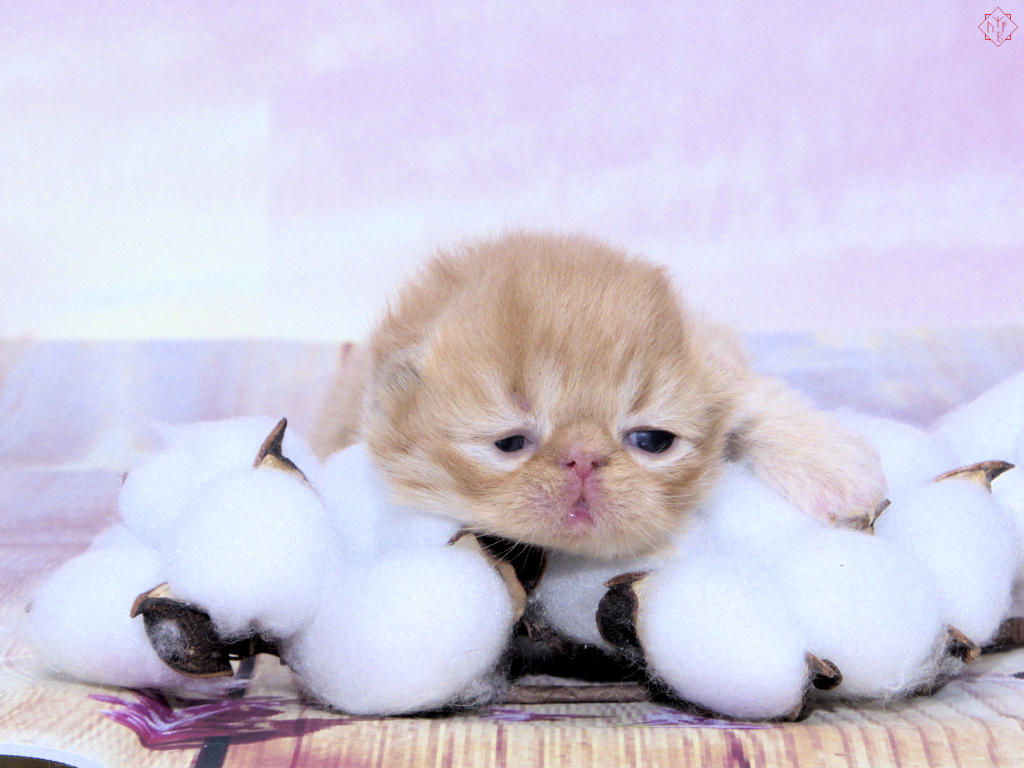
### 1) Care and Health Advice for a 43-Week-Old Unknown Breed Male Cat
Growth and Development: At 43 weeks (approximately 10 months), your cat is approaching or has reached sexual maturity. Male cats at this age can become more territorial and prone to spraying. Neutering is highly recommended to prevent unwanted behaviors and health issues.
Diet: Continue feeding a high-quality, balanced adult cat food formulated for their life stage. This age requires sufficient protein and nutrients for continued muscle development and energy. Monitor his weight to prevent obesity.
Behavior: He may be experiencing a surge in energy and playfulness. Provide ample opportunities for interactive play and mental stimulation to prevent boredom and destructive behaviors. Socialization with other cats (if applicable) should be well-established.
Dental Health: Continue regular dental care. Brushing his teeth with cat-specific toothpaste and providing dental chews or treats can help prevent tartar buildup.
### 2) Common Care Tips
Diet: Feed a balanced diet of high-quality commercial cat food. Wet food can contribute to hydration, while dry food can aid in dental health.
Water: Ensure fresh, clean water is always available. Consider a pet fountain as some cats prefer running water.
Litter Box: Maintain at least one litter box per cat, plus one extra. Scoop daily and clean thoroughly weekly. Ensure the litter box is in a quiet, accessible location.
Grooming: Regular brushing helps reduce shedding, prevent hairballs, and allows you to check for parasites or skin issues. Nail trimming every few weeks is also important.
Play and Enrichment: Engage in daily interactive play sessions using toys like wands, laser pointers (used responsibly), and crinkle balls. Provide climbing structures, scratching posts, and puzzle feeders for mental stimulation.
Safe Environment: Cat-proof your home by securing electrical cords, removing toxic plants, and ensuring windows and balconies are screened.
### 3) Vaccination Schedule and Important Vaccinations
Core Vaccinations:
Feline Viral Rhinotracheitis (FVR), Feline Calicivirus (FCV), Feline Panleukopenia (FPV) (often given as a combination vaccine, e.g., FVRCP): Boosters are typically given annually or every three years after the initial kitten series, depending on the vaccine type and your veterinarian's recommendation.
Rabies: This is a legally required vaccination in many areas. Boosters are typically given every one or three years, depending on the vaccine.
Non-Core Vaccinations (Consider based on lifestyle):
Feline Leukemia Virus (FeLV): Recommended for cats that go outdoors or live with cats that go outdoors. Boosters are typically given annually.
Current Status: Since your cat is 43 weeks old, he should have completed his initial kitten vaccination series. Your veterinarian will determine the appropriate booster schedule.
Veterinary Consultation: It is crucial to consult with your veterinarian to establish a precise vaccination schedule tailored to your cat's individual health status, lifestyle, and local disease risks.
### 4) Other Important Points
**Veterinary Check-
Rodowód
WCh LV* Kaliora Horatio9 lipca, 2022
NW SC Prime Fancy Tommy25 kwietnia, 2017
Ocalicos Benicio of Prime Fancy24 kwietnia, 2014
Doll Like's Gabrielle of Prime Fancy5 grudnia, 2014
IC LV* Kaliora Adele9 sierpnia, 2017
Double Master WCF BW LV* Dzintara Zvaigzne Dolars15 maja, 2009