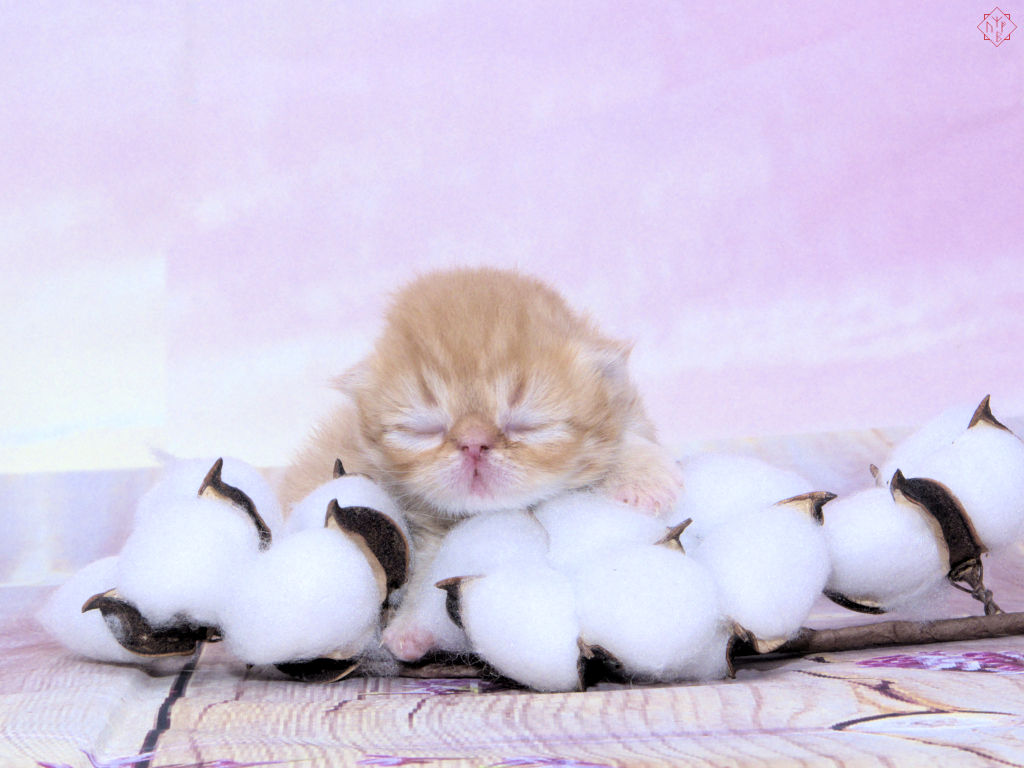
### Care and Health Advice for a 43-Week-Old Male Cat (Mixed Breed)
Developmental Stage: At 43 weeks old, your cat is considered an adolescent or young adult. They are likely nearing full physical maturity and may still exhibit some playful and energetic behaviors.
Nutritional Needs: Continue feeding a high-quality, balanced diet formulated for adult cats. If your cat was on kitten food, transition gradually to adult food to avoid digestive upset. Ensure fresh water is always available.
Behavioral Considerations: While past the kitten stage, they may still be very playful and require enrichment. Provide scratching posts, toys, and opportunities for interaction to prevent boredom and destructive behaviors.
Grooming: Regular brushing helps reduce shedding, prevent hairballs, and allows you to check for any skin issues, parasites, or lumps.
Litter Box Habits: Ensure the litter box is clean, easily accessible, and in a quiet location. Most cats prefer unscented clumping litter.
### Common Care Tips
Environmental Enrichment: Provide vertical spaces (cat trees, shelves), puzzle feeders, and interactive toys to keep your cat mentally and physically stimulated.
Socialization: Continue positive interactions. If introducing to new environments or pets, do so gradually and under supervision.
Dental Care: Consider dental treats or brushing your cat's teeth with a feline-specific toothpaste to maintain oral hygiene.
Nail Trimming: Trim your cat's nails regularly to prevent overgrowth, splitting, and damage to furniture.
Regular Observation: Monitor your cat's appetite, thirst, activity level, and litter box habits. Any significant changes can indicate a health issue.
### Vaccination Schedule and Important Vaccinations
Core Vaccinations: It is crucial that your cat is up-to-date on core vaccinations. These typically include:
Feline Viral Rhinotracheitis (FVR) / Feline Herpesvirus 1 (FHV-1): Protects against a common upper respiratory infection.
Feline Calicivirus (FCV): Another cause of upper respiratory infections.
Feline Panleukopenia (FPV) / Feline Distemper: A highly contagious and often fatal viral disease.
Rabies: A fatal viral disease that is transmissible to humans. Vaccination is often legally required.
Timing: Your veterinarian will have established a primary vaccination series for kittens. Booster shots are typically given annually or every three years, depending on the vaccine type and local recommendations.
Recommendation: If your cat's vaccination history is unknown, consult your veterinarian immediately to establish a catch-up vaccination plan.
### Other Important Points
Spaying/Neutering: If your cat is not already neutered, this is highly recommended at this age. Neutering prevents unwanted litters and can reduce behavioral issues like spraying and roaming.
Flea and Tick Prevention: Depending on your geographic location and your cat's lifestyle (indoor/outdoor), discuss appropriate flea and tick preventative measures with your veterinarian.
Parasite Control: Regular deworming is important. Your veterinarian can recommend a deworming schedule and appropriate products.
Rodowód
WCh LV* Kaliora Horatio9 lipca, 2022
NW SC Prime Fancy Tommy25 kwietnia, 2017
Ocalicos Benicio of Prime Fancy24 kwietnia, 2014
Doll Like's Gabrielle of Prime Fancy5 grudnia, 2014
IC LV* Kaliora Adele9 sierpnia, 2017
Double Master WCF BW LV* Dzintara Zvaigzne Dolars15 maja, 2009