

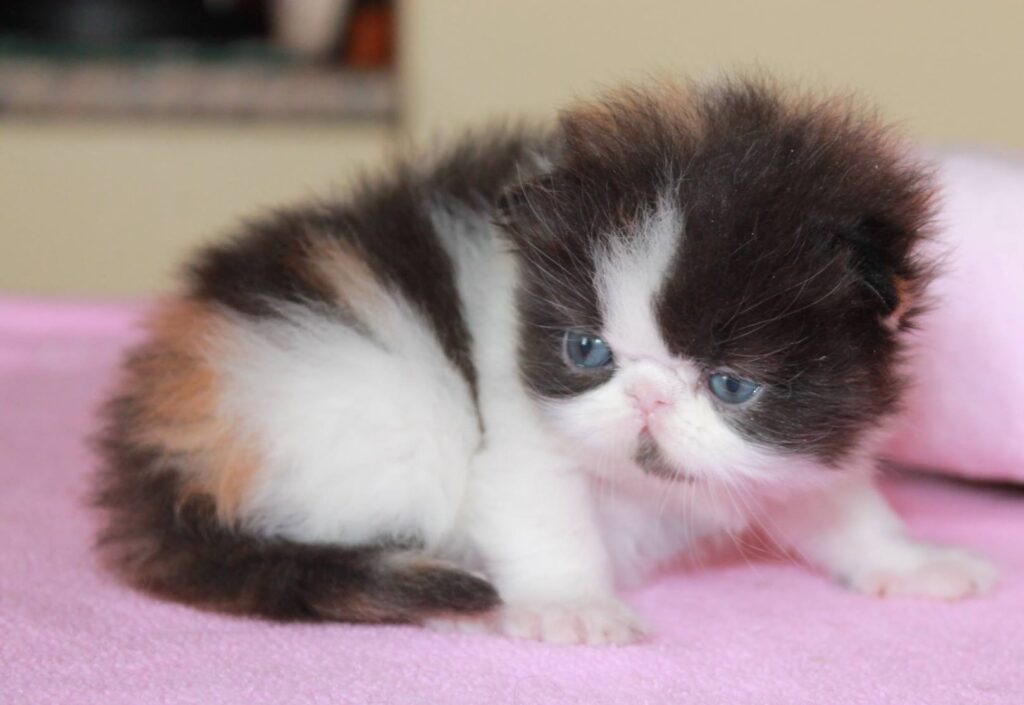
IT* Bea Princess Di Marilu
DostępnyZdjęcia
Kolor/Oznaczenia
PER f03
Informacje o AI
### 1) Care and Health Advice for a 10-Year-Old Unspecified Breed Female Cat
- Senior Cat Needs: At 10 years old, this cat is considered a senior. Senior cats may experience age-related changes affecting their mobility, senses, and organ function.
- Dietary Adjustments: Consider a senior cat food formula that is lower in calories to prevent weight gain, and often contains adjusted protein, phosphorus, and omega-3 fatty acids to support kidney and joint health. Discuss specific dietary recommendations with your veterinarian.
- Arthritis Management: Monitor for signs of arthritis such as reduced activity, stiffness, difficulty jumping, or changes in grooming habits. Your veterinarian may recommend joint supplements (glucosamine, chondroitin), pain medication, or environmental modifications (ramps, lower litter boxes).
- Dental Health: Senior cats are more prone to dental disease. Regular dental check-ups and professional cleanings are crucial. Monitor for bad breath, difficulty eating, drooling, or pawing at the mouth.
- Kidney and Thyroid Monitoring: Chronic kidney disease and hyperthyroidism are common in senior cats. Regular veterinary check-ups including bloodwork can help detect these conditions early.
- Vision and Hearing: Age can affect vision and hearing. Ensure her environment is safe, and be patient with any changes in her responsiveness.
- Behavioral Changes: Any sudden changes in behavior (hiding, increased vocalization, aggression, decreased interaction) warrant a veterinary visit to rule out underlying medical issues.
### 2) Common Care Tips
- Nutrition: Provide high-quality, age-appropriate cat food. Ensure fresh water is always available.
- Grooming: While senior cats may groom themselves less effectively, regular brushing helps prevent matting, stimulates circulation, and allows you to check for lumps or skin issues.
- Litter Box Management: Ensure litter boxes are easily accessible, clean, and preferably in quiet, low-traffic areas. Consider a litter box with lower sides if mobility is an issue.
- Enrichment: Provide opportunities for gentle play and mental stimulation. Puzzle feeders, interactive toys (used under supervision), and safe window perches can be beneficial.
- Safe Environment: Ensure a safe and comfortable environment, free from hazards.
- Stress Reduction: Minimize stressors in her environment. Provide quiet spaces for her to retreat.
### 3) Vaccination Schedule and Important Vaccinations
- Core Vaccinations:
- Feline Herpesvirus (FHV-1) and Feline Calicivirus (FCV): Typically administered annually or triennially depending on vaccine type and veterinary recommendation.
- Feline Panleukopenia Virus (FPV): Typically administered annually or triennially depending on vaccine type and veterinary recommendation.
- Non-Core Vaccinations (Considered based on risk):
- Feline Leukemia Virus (FeLV): Recommended for cats at risk of exposure (outdoor access, contact with other cats). Discuss risk assessment with your veterinarian.
- Rabies: Required by law in many areas. Typically administered annually or triennially.
- Senior Cat Vaccination Policy: The need for booster vaccinations in senior cats is individualized.