

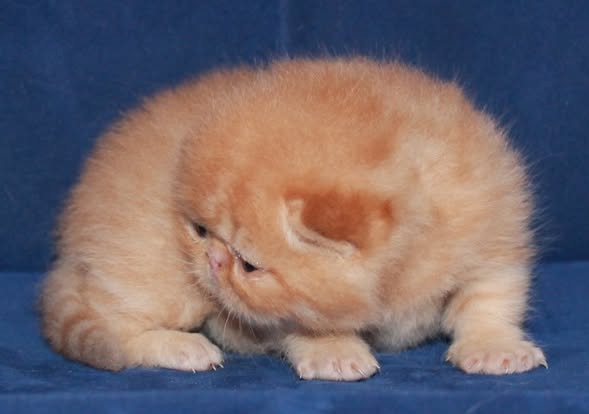
IT* Fahrenheit Di Marilu
DostępnyZdjęcia
Kolor/Oznaczenia
EXO d24
Informacje o AI
### 1) Care and Health Advice for a 6-Year-Old Domestic Shorthair Male Cat
- Diet: High-quality adult cat food formulated for his life stage is essential. Consider wet food for hydration and kidney health. Portion control is crucial to prevent obesity, a common issue in neutered males.
- Exercise: Encourage play with interactive toys (feather wands, laser pointers - used responsibly), puzzle feeders, and climbing structures to maintain a healthy weight and prevent boredom.
- Mental Stimulation: Provide scratching posts, vertical space (cat trees), and opportunities for window watching. Rotate toys to keep him engaged.
- Grooming: Regular brushing (daily or several times a week, depending on fur length) helps reduce shedding, prevent hairballs, and allows you to check for fleas, ticks, or skin issues.
- Dental Care: Start dental care now if not already established. Daily brushing with pet-specific toothpaste is ideal. Dental treats and water additives can also help.
- Litter Box: Maintain a clean litter box with fresh litter. Scoop daily and provide enough boxes (one per cat plus one extra, if applicable). Ensure it's in a quiet, accessible location.
- Observation: Monitor for changes in appetite, thirst, urination, defecation, activity level, or behavior. These can be early signs of illness.
### 2) Common Care Tips
- Fresh Water: Always provide access to fresh, clean water. Consider a water fountain to encourage drinking.
- Safe Environment: Ensure your home is cat-proofed, free from toxic plants, chemicals, and small objects that could be swallowed.
- Safe Outdoor Access (Optional): If allowing outdoor access, ensure it's supervised or in a secure, enclosed "catio" to protect against traffic, predators, and diseases.
- Stress Reduction: Provide hiding places and a predictable routine to minimize stress.
### 3) Vaccination Schedule and Important Vaccinations
- Core Vaccinations:
- Rabies: Typically given every 1-3 years depending on vaccine type and local regulations.
- Feline Viral Rhinotracheitis (FVR), Feline Calicivirus (FCV), Feline Panleukopenia (FPV): Often given as a combination vaccine (e.g., FVRCP). Adult cats generally receive boosters every 1-3 years, depending on the veterinarian's recommendation and individual risk factors.
- Non-Core Vaccinations (Considered based on lifestyle and risk):
- Feline Leukemia Virus (FeLV): Recommended for cats with outdoor access or exposure to FeLV-positive cats. Booster schedules vary.
- Feline Immunodeficiency Virus (FIV): Recommended for cats at high risk of bite wounds (e.g., intact males who go outdoors).
- Current Status: For a 6-year-old cat, it's crucial to know his vaccination history. He should have completed his kitten series and received appropriate adult boosters. A veterinarian can assess his current vaccination needs based on his history and lifestyle.
### 4) Other Important Points
- Veterinary Check-ups: Annual (or semi-annual for older