

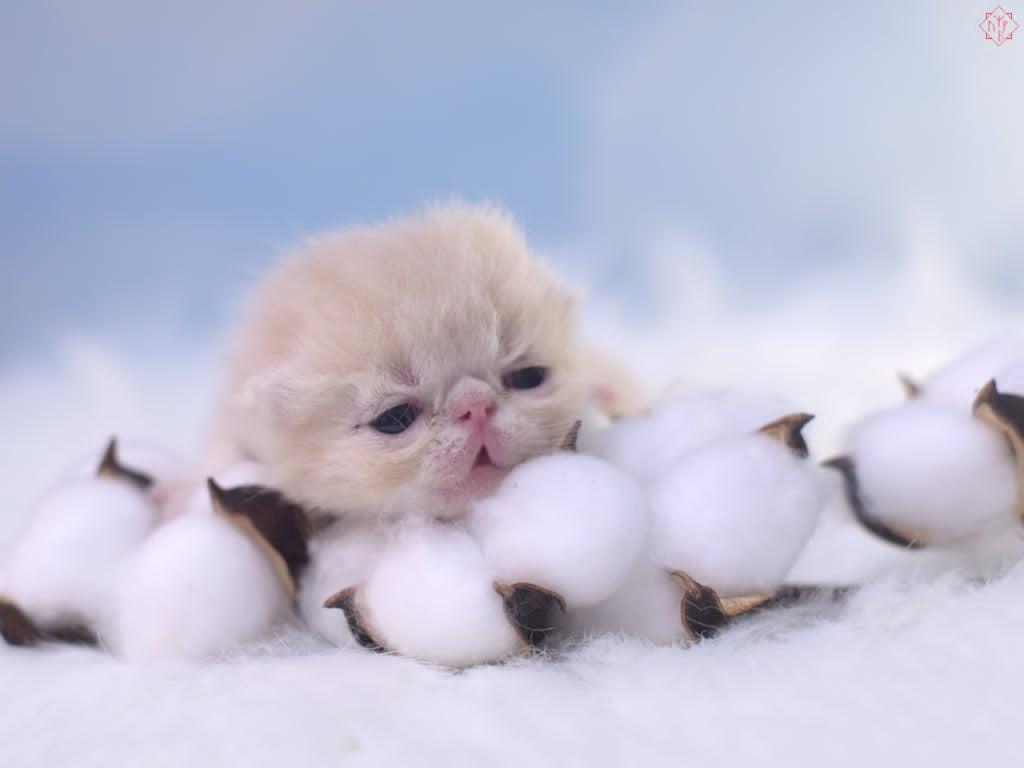
Night Nymph Pritikiti *Pl
SprzedanyZdjęcia
Rodzice
Ojciec: WCh LV* Kaliora Horatio
Matka: JCh Labelled with Joy Pritikiti *Pl
Kolor/Oznaczenia
EXO e
Opis
Zarezerwowany dla Pani Marzeny
Informacje o AI
### Care and Health Advice for a 51-Week-Old Cat (Birth Date: 2025-11-25)
- Developmental Stage: At 51 weeks, your cat is considered an adult, though still quite young. They have likely reached their full adult size and are past the rapid growth phase of kittenhood. Their energy levels may still be high, requiring regular playtime and mental stimulation.
- Nutritional Needs: Transition from kitten food to adult cat food if you haven't already. Look for high-quality, balanced adult cat food that meets AAFCO standards. Portion control is important to prevent obesity. Ensure constant access to fresh, clean water.
- Behavioral Considerations: Socialization and interaction remain important. Continue to provide a safe, stimulating environment. Observe for any changes in behavior that could indicate stress or illness.
### Common Care Tips
- Grooming: Regular brushing, especially for longer-haired cats, helps prevent mats and reduces hairballs. Weekly brushing is generally sufficient for most cats.
- Dental Care: Introduce dental hygiene early. Brushing your cat's teeth with pet-specific toothpaste can prevent dental disease. Dental treats and toys can also help.
- Litter Box Management: Provide at least one litter box per cat, plus one extra. Scoop daily and change litter regularly. Ensure the litter box is in a quiet, accessible location.
- Enrichment: Offer a variety of toys, scratching posts (vertical and horizontal), and climbing structures. Rotate toys to maintain interest. Puzzle feeders can provide mental stimulation.
- Safe Environment: Cat-proof your home. Secure windows and balconies, remove toxic plants, and store chemicals safely.
### Vaccination Schedule and Important Vaccinations
- Core Vaccinations: These are recommended for all cats.
- Rabies: Typically given as a single injection, often around 12-16 weeks of age, with boosters as recommended by your veterinarian (usually every 1 or 3 years depending on the vaccine used).
- Feline Viral Rhinotracheitis (Herpesvirus), Feline Calicivirus, and Feline Panleukopenia (Distemper): These are often combined into a single vaccine (e.g., FVRCP). Kittens receive a series of these vaccines, usually starting at 6-8 weeks of age, with boosters every 1-3 years for adults. At 51 weeks, your cat should have completed their initial kitten series and received their first booster.
- Non-Core Vaccinations: These are recommended based on your cat's lifestyle and risk of exposure. Discuss with your veterinarian.
- Feline Leukemia Virus (FeLV): Recommended for cats that go outdoors or have contact with cats of unknown FeLV status. Typically a series of two initial vaccinations for kittens, followed by boosters annually or every 3 years depending on risk and vaccine.
- Feline Immunodeficiency Virus (FIV): Less commonly recommended due to vaccine effectiveness and potential for false positives in testing. Discuss with your veterinarian.
- Annual/Biennial Check-ups: Regular veterinary visits are crucial for monitoring health, administering booster vaccinations, and discussing any concerns.
### Other Important Points
Rodowód
WCh LV* Kaliora Horatio9 lipca, 2022
NW SC Prime Fancy Tommy25 kwietnia, 2017
Ocalicos Benicio of Prime Fancy24 kwietnia, 2014
Doll Like's Gabrielle of Prime Fancy5 grudnia, 2014
IC LV* Kaliora Adele9 sierpnia, 2017
Double Master WCF BW LV* Dzintara Zvaigzne Dolars15 maja, 2009
IC LV* Magenda Eteri15 czerwca, 2016
JCh Labelled with Joy Pritikiti *Pl13 września, 2024
IC AS BLUE AS SKY Non Graviti*PL30 listopada, -0001
CH Dolf Mruczoduszka *Pl - Cat-Hut *Pl4 lipca, 2016
CH Fantasy Cathut29 stycznia, 2017
CH Slavuta's Catriona22 grudnia, 2017
GIC Abbas Sugar Bear11 sierpnia, 2016
CH Beatie Honey Girl29 czerwca, 2015