

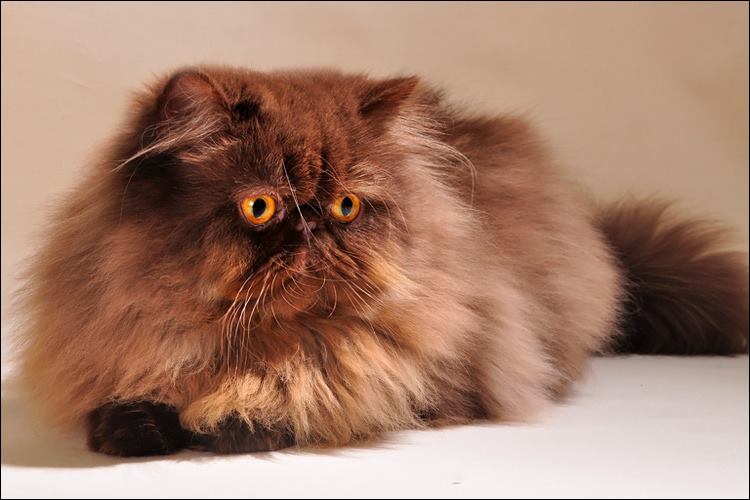
Vanity Valentino Jamren
DostępnyZdjęcia
Kolor/Oznaczenia
PER b
Informacje o AI
## 1) Care and Health Advice for a 14-Year-Old Male Cat (Unknown Breed)
- Senior Cat Diet: Transition to a high-quality senior cat food. These foods are often formulated with reduced phosphorus and sodium to support kidney and heart health, and may contain increased fiber for digestive regularity. Discuss specialized diets with your veterinarian if your cat has specific health issues like kidney disease, arthritis, or dental problems.
- Hydration: Ensure constant access to fresh, clean water. Consider a pet water fountain as many senior cats are encouraged to drink more from moving water. Monitor urine output for changes.
- Arthritis Management: Older cats frequently develop arthritis. Watch for signs like reluctance to jump, stiffness, reduced activity, or difficulty grooming. Your veterinarian can recommend pain management options (medications, supplements) and environmental modifications (ramps, accessible litter boxes).
- Dental Care: Senior cats are prone to dental disease. Regular dental check-ups and professional cleanings are crucial. At home, use veterinary-approved dental treats or water additives if your cat tolerates them. Poor dental health can affect appetite and overall health.
- Cognitive Dysfunction: Similar to humans, cats can experience cognitive decline. Signs may include disorientation, changes in sleep patterns, house-soiling, or increased vocalization. Discuss this possibility with your veterinarian; there are medications and environmental enrichment strategies that can help.
- Regular Veterinary Check-ups: Increase the frequency of veterinary visits to twice a year for senior cats. This allows for early detection and management of age-related diseases.
## 2) Common Care Tips
- Grooming: Senior cats may have difficulty grooming themselves. Gentle brushing several times a week can help prevent matting, reduce hairballs, and allow you to check for lumps, fleas, or skin issues.
- Litter Box Access: Ensure litter boxes are easily accessible, especially if your cat has mobility issues. Consider boxes with lower sides. Keep litter boxes clean and in quiet, accessible locations. Provide multiple boxes if needed.
- Temperature Regulation: Older cats may be more sensitive to cold. Provide warm, comfortable sleeping spots away from drafts.
- Monitor Weight: Significant weight loss or gain in a senior cat can indicate underlying health problems. Weigh your cat regularly.
- Play and Stimulation: Even senior cats benefit from gentle play and mental stimulation. Short, low-impact play sessions can maintain muscle tone and cognitive function.
## 3) Vaccination Schedule and Important Vaccinations
For a 14-year-old cat, the vaccination protocol is typically tailored based on lifestyle, health status, and previous vaccination history.
- Core Vaccinations:
- Feline Viral Rhinotracheitis (FVR) & Feline Calicivirus (FCV): These are typically given as a combination vaccine. A booster may be recommended annually or triennially, depending on your veterinarian's assessment and the vaccine used.
- Feline Panleukopenia (FPV): Also part of the FVRCP combination. Booster recommendations are similar to FVR/FCV.
- Rabies: This is a critical vaccine for all cats, regardless of whether they go outdoors. State laws often mandate this vaccine. Booster intervals are